Introduction
Artificial Intelligence (AI) has transformed the digital content landscape. One of the most significant innovations in recent years is the AI text generator, a tool that can produce human-like content in seconds. From blog posts and emails to creative writing and marketing copy, these tools help individuals and businesses save time, increase efficiency, and maintain consistency across multiple platforms.

However, while AI text generators offer incredible potential, they are not without risks. Misuse or over-reliance on AI can lead to inaccuracies, ethical issues, or content that lacks the human touch necessary to engage readers fully. In this comprehensive guide, we'll explore the benefits, risks, and best practices for using AI text generators effectively, so you can maximize productivity while maintaining high-quality, ethical content.
Key Benefits of AI Text Generators
1. Save Time and Increase Productivity
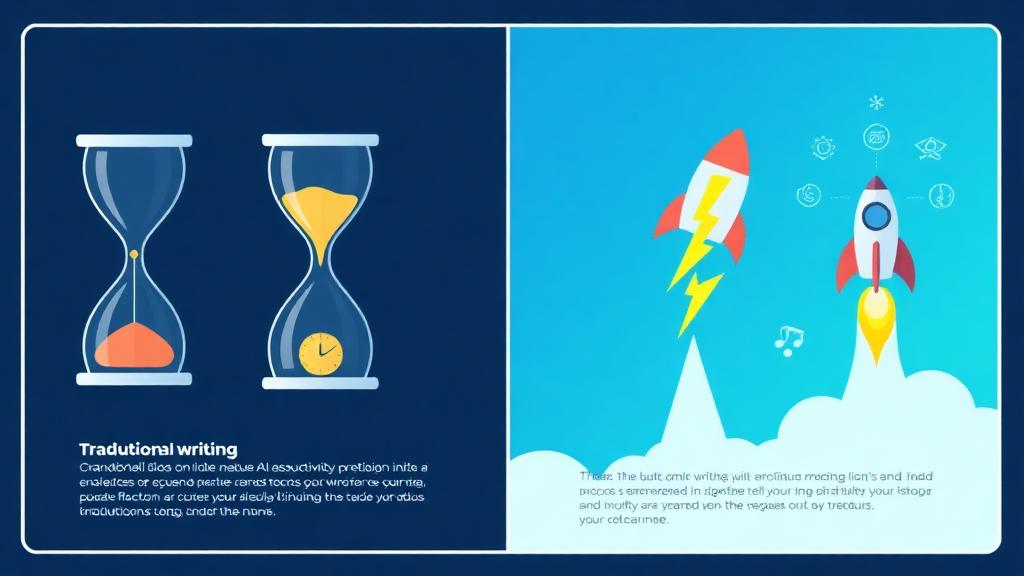
One of the most obvious benefits of AI text generators is time efficiency. These tools can produce content in a fraction of the time it would take a human writer. For example, what might take hours to research and write can be generated in minutes with AI.
Businesses can leverage AI text generators for:
- Email campaigns: Drafting personalized emails for marketing or client communication.
- Blog content: Quickly generating outlines or full drafts to speed up content production.
- Social media posts: Creating engaging content for multiple platforms without manually writing each post.
By automating repetitive writing tasks, AI allows teams to focus on higher-value work, such as strategy, analysis, and creative problem-solving.
2. Enhance Creativity
AI text generators are not just about speed—they are also creativity boosters. By providing suggestions, alternative phrasing, and new angles for content, AI can help writers overcome writer's block and spark inspiration.
For example:
- A content creator struggling to write a compelling introduction can use AI to generate multiple options.
- Marketing teams can generate attention-grabbing headlines or social media captions in seconds.
AI acts as a collaborator, offering ideas that a human may not have considered, ultimately enhancing the creative process rather than replacing it.
3. Improve Consistency and Quality
Maintaining a consistent tone and style across content is crucial for brand identity. AI text generators help ensure uniformity across multiple pieces, whether it's marketing copy, blog articles, or internal communications.
Consistency improves:
- Brand voice: Keeps your messaging cohesive across channels.
- Content structure: Ensures headings, paragraphs, and formatting follow a uniform style.
- Reader experience: A predictable, professional tone builds trust and credibility.
4. Cost-Effective Content Production
Hiring a full team of writers for continuous content creation can be expensive. AI text generators reduce costs by allowing smaller teams to produce large volumes of content efficiently.
This is particularly beneficial for:
- Startups with limited budgets
- Digital marketing agencies handling multiple clients
- Businesses needing frequent content updates
AI allows businesses to scale content production without proportionally increasing costs.
Risks of Using AI Text Generators
While AI text generators are powerful, it's important to understand their limitations and risks.

1. Inaccurate or Misleading Content
AI models generate text based on data they have been trained on. Sometimes this can result in:
- Outdated or incorrect information
- Misinterpretation of prompts leading to irrelevant content
- Overly generic or vague answers
Tip: Always verify AI-generated content for accuracy before publishing, especially when writing for professional, medical, or technical subjects.
2. Plagiarism Concerns
Though AI generates "original" text, there's a chance it produces content similar to existing material. This can lead to plagiarism issues if not checked.
Tip: Use plagiarism checkers such as Grammarly, Copyscape, or Turnitin to ensure your AI-generated content is unique.
3. Loss of Human Touch
AI can mimic human writing but may lack:
- Emotional resonance
- Humor or nuance
- Personal storytelling elements
Content that feels robotic can reduce engagement and reader trust. Combining AI with human editing ensures the final piece retains authenticity.
4. Ethical and Privacy Issues
Some AI tools are trained on data scraped from the internet, which may include copyrighted or sensitive material. Misusing AI without understanding its data sources can lead to legal or ethical problems.
Tip: Always respect copyright laws, avoid generating misleading content, and maintain transparency about AI use if publishing externally.
Best Practices for Using AI Text Generators
1. Define Clear Goals
Before generating content, clarify its purpose:
- SEO-focused blog post
- Social media engagement
- Internal communication
- Creative writing
Clear goals help you craft better prompts and get more relevant outputs.
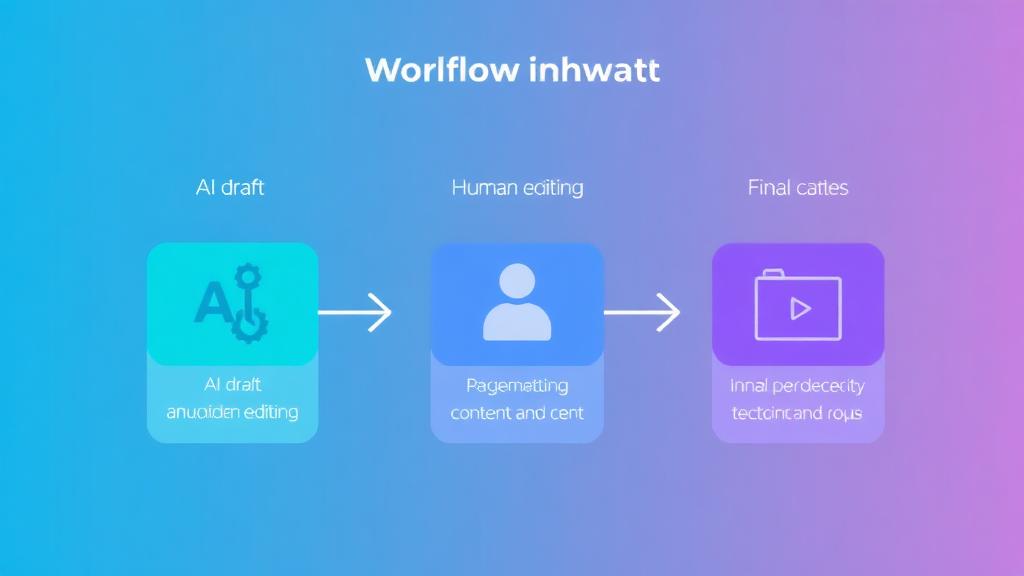
2. Combine AI with Human Editing
AI is a tool, not a replacement. Always review:
- Accuracy of facts
- Grammar and readability
- Brand tone and style
- Emotional resonance
This ensures content is both high-quality and audience-friendly.
3. Use SEO Optimization
To rank content on search engines:
- Include primary and secondary keywords naturally
- Structure content with H1, H2, H3 headings
- Add meta titles, descriptions, and alt text for images
- Include internal and external links
Example: Use the keyword "AI text generator" 2–3 times per 500 words naturally in headings or paragraphs.
4. Maintain Ethical Standards
Avoid:
- Generating spammy or clickbait content
- Misleading statements
- Copying from other sources
Always disclose AI involvement when necessary, especially in academic or professional settings.
5. Continuously Test and Improve
- Analyze performance metrics: engagement, bounce rate, time on page
- Refine prompts for better AI output
- Iterate based on audience feedback
This helps you maximize the effectiveness of AI-generated content over time.
Examples of Effective AI Text Generator Use
- Marketing Emails: Draft personalized campaigns quickly
- Blog Posts: Generate full drafts or outlines in minutes
- Social Media: Create catchy captions and posts
- Customer Support: Generate instant answers to FAQs
- Creative Writing: Produce story drafts, dialogue, or poetry for inspiration
Tip: Always personalize AI content to fit your brand voice and target audience.
FAQ
Q1: Are AI text generators safe to use? Yes, if you verify content for accuracy, check for plagiarism, and maintain ethical standards.
Q2: Can AI text replace human writers? No. AI is a powerful assistant but should be combined with human creativity, editing, and judgment for the best results.
Q3: How do I optimize AI-generated content for SEO? Use your target keywords naturally, include headings, meta information, internal links, and ensure content readability.
Q4: What industries benefit most from AI text generators? Marketing, e-commerce, education, tech, content creation, and customer support all gain significant efficiency from AI writing tools.
Conclusion
AI text generators are transforming content creation by saving time, boosting creativity, and improving consistency. However, to fully leverage their potential, it's crucial to understand risks such as inaccuracies, plagiarism, and ethical challenges.
By following best practices—combining AI with human editing, setting clear goals, optimizing for SEO, and maintaining ethical standards—you can use AI text generators to produce high-quality, engaging content that resonates with your audience.
Start exploring AI text generation today, but always remember: AI works best when guided by human insight.